
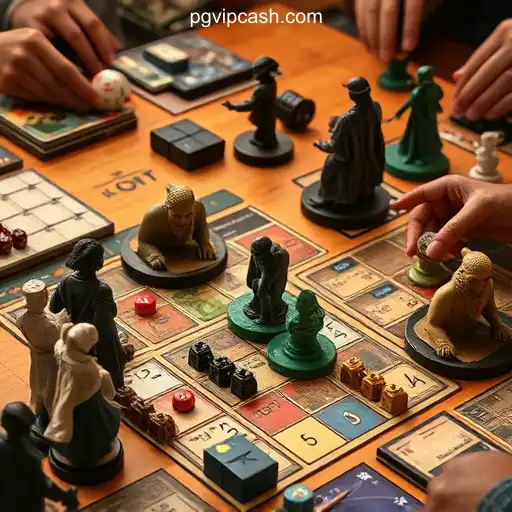

Exploring the World of Tabletop Games
Tabletop games have been an integral part of social gatherings for centuries, transcending cultures and generations with their engaging blend of strategy, chance, and interaction. From ancient games like chess and Go to modern creations that explore intricate narratives and mechanics, tabletop games continue to captivate audiences worldwide.
The Evolution of Tabletop Games
The origins of tabletop games can be traced back to ancient civilizations that used stones, dice, and boards as recreational pastimes. Over time, these rudimentary forms have evolved into diverse categories, including board games, card games, and role-playing games. Each category offers unique experiences, catering to different interests and skill levels.
In recent years, the tabletop gaming industry has experienced a renaissance thanks to the popularity of new game design philosophies and the global reach of crowdfunding platforms. This has led to a surge in creativity, allowing independent designers to introduce innovative mechanics and themes that challenge traditional gaming conventions.
The Rise of Role-playing Games
Role-playing games (RPGs) represent one of the most dynamic segments within the tabletop gaming landscape. Originating with the influential Dungeons & Dragons in the 1970s, RPGs have empowered players to craft elaborate stories and characters, transforming game sessions into collaborative storytelling experiences.
Tabletop RPGs encourage creativity and improvisation, offering vast narrative flexibility that often evolves with each campaign. As players navigate fictional worlds, guided by a game master, they encounter challenges and develop relationships, a process that invests them deeply in the story's outcome.
Board Games: An Ever-expanding Universe
Board games have long been a mainstay in social entertainment, but in recent years they have witnessed a significant shift toward complexity and depth. Now, more than ever, games are designed to provide rich, immersive experiences, often incorporating elaborate narratives and strategic decision-making.
Popular board games today range from resource-management classics like Catan to cooperative adventures such as Pandemic, where players work together to overcome global crises. The variety within board games ensures there is something for every player, whether they are seeking a quick game or a multi-hour epic.
Applying Technology in Tabletop Gaming
While the tactile and social aspects of tabletop games remain unchanged, modern technology offers new ways to enhance the gaming experience. Mobile apps, virtual tabletops, and digital companions augment traditional gameplay, providing tools for remote play, automated scoring, and enhanced storytelling.
Another significant contribution is the integration of augmented reality, which melds physical game components with digital overlays, providing new layers of interaction and engagement. This blend of old and new has broadened the appeal of tabletop games, reaching audiences who might otherwise be intimidated by complex rulebooks.
PGVIP Cassino Online com Saque Rápido no Brasil💸 and Tabletop Games
In the realm of digital entertainment, online platforms like PGVIP Cassino Online com Saque Rápido no Brasil💸 provide gamers with additional options to experience the thrill of chance and strategy found in many tabletop games. While digital and tabletop games offer distinct experiences, they share core elements such as strategic thinking, risk assessment, and exciting discoveries.
Platforms like PGVIP cater to enthusiasts who enjoy the balance of probability and skill, applicable across various gaming genres, and provide a seamless way for users in Brazil to enjoy gaming with quick withdrawal options.
The Social Aspects of Tabletop Gaming
One of the undeniable attractions of tabletop games is their social nature. Unlike their digital counterparts, tabletop games necessitate face-to-face interaction, which can strengthen bonds and foster community. Playing with friends and family creates memorable experiences, encouraging teamwork and friendly competition.
Game nights have become a cherished tradition for many households, providing an opportunity to disconnect from screens and engage on a more personal level. The shared experience of overcoming challenges, celebrating victories, and laughing over failures creates a unique environment that digital platforms strive to replicate but rarely achieve in the same way.
Community and Competition
Tabletop games have spawned vibrant communities around the globe, with enthusiasts gathering at conventions, game shops, and online forums to share their passion. These communities facilitate the exchange of ideas, strategies, and stories, enhancing the overall gaming experience.
Competitive tabletop gaming has also surged in popularity, with tournaments for games like Magic: The Gathering and Warhammer attracting participants worldwide. These events not only highlight individual skill but also cultivate a sense of camaraderie among players sharing similar interests.
The Future of Tabletop Games
The future of tabletop games is bright, with designers continually exploring new themes, mechanics, and technologies. As the global audience for tabletop games expands, so too does the diversity in game design, reflecting a myriad of cultural influences and innovative ideas.
At the heart of this evolution remains the fundamental appeal of tabletop games: their ability to bring people together, inspire creativity, and provide endless hours of fun. Whether through traditional board and card games or the limitless realms of role-playing adventures, the tabletop gaming industry is poised to thrive and evolve alongside technological advancements.